
Fintech StartUp Pixel
What is it?
Product B2b SaaS
Using Open Finance to enhance and streamline financial relationships for small businesses, starting with simplified and automated financial management.
My responsibilities
- Co-founder
- Lead Designer
- UX Research, surveys, and benchmarking
- Communication with different stakeholders
- Quantitative and qualitative interviews with users
- Research to better understand the Brazilian economic landscape
- UI Design: Prototyping pixel-perfect solutions
- Framework definition
- Metrics definition
- MVP monitoring with the client
- Proposition of a viable business model
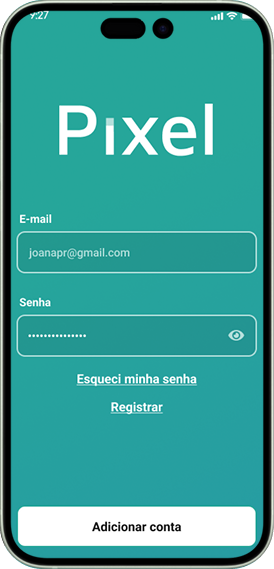
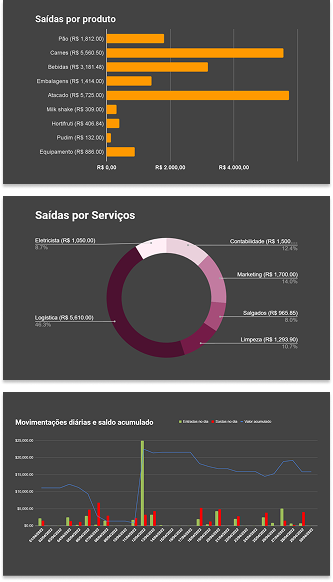
Fintech StartUp Pixel
Program Startup Lab NEU (Entrepreneurship Center at USP)
Context and opportunities
Pixel emerged from a desire to assist small businesses to help with the economic recovery post-pandemic. We identified a convergence of opportunities: the rise of microentrepreneurs and small businesses in Brazil, the implementation of Open Banking and Open Finance by the Brazilian Central Bank, and the prospect of economic recovery post-pandemic.
To address this, we assembled a multidisciplinary team to kickstart the project, gain a comprehensive understanding of the context, and, most importantly, precisely define the problem to be solved.
The case
Problem Definition
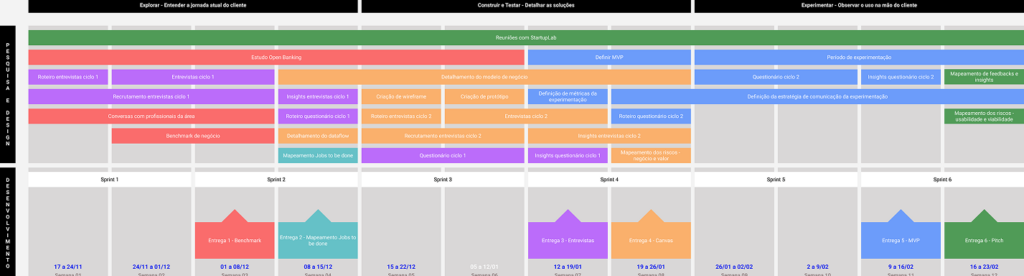
The strategic planning process comprised four key phases:
- Research on the Open Banking platform.
- Benchmarking against other solutions for microentrepreneurs.
- Identification of unmet needs.
- Conducting a cycle of in-depth interviews with microentrepreneurs and small businesses.
Framework
Discovery Results
Through our research and benchmarking, we learned that there is an opportunity to add value to small and medium-sized businesses with a need for low-cost payment methods, as existing service providers primarily focus on larger enterprises, integrating existing solutions with banks.
Leveraging Open Finance, we can develop fully integrated products that serve as a financial aggregator for customers during payment transactions, offering greater convenience compared to digital wallets.
From our interviews, key findings included:
- No businesses had an integrated system with their bank accounts.
- Small businesses struggle to secure favorable rates, installment options, and receivables advances.
- Implementation of Pix (a Brazilian instant payment system) in small businesses is either amateurish or non-existent.
- Businesses expressed a desire to replace traditional invoices with alternative payment methods.
Fees for companies without a strong relationship with acquiring banks are as follows: - 0.6% for corporate PIX
- 2% for debit cards
- 4% for credit cards
- 1.5% increase per installment
- Restaurants often use multiple POS devices due to varying payment conditions (one for debit, another for credit, etc.) and incur rental expenses for each.
- Restaurants face challenges with food delivery apps, which are essential for sales but can claim up to 25% of order value.
- New restaurants require adaptable systems that cater to their specific needs (inventory management, order tracking, payments, delivery).
- Card cloning fraud is prevalent, especially for ticket and airfare purchases, presenting an opportunity to offer a more secure solution with installment options via Pix. Typically, fraud costs are absorbed by the card acquirer.
Based on these insights, we’ve identified three potential Jobs-to-be-Done:
Low-fee payment solution that can be easily implemented and recognized on the statement.
Securing credit to pay suppliers and maintain positive cash flow.
Integrating their system with the banking system to streamline business management.
MVP
After further research, mentoring, and testing with real clients, we decided to focus on the solution of integrating banking systems with business management, as it is the option that would deliver the most value to the customer while requiring less technical complexity to implement.
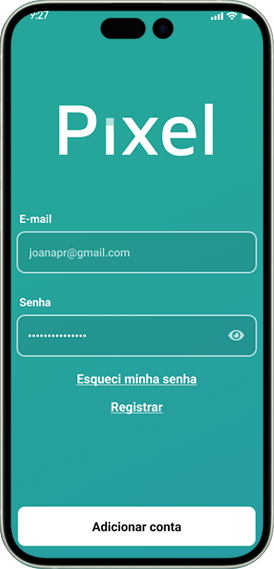
We developed several mobile prototypes to test the solution and also align the technical feasibility with the back-end developer. For the MVP development, we focused on the smallest number of screens possible and simplicity of the product, ensuring that it also delivered a satisfactory result to the end customer.
Validation
Simultaneously, we conducted a Wizard of Oz simulation, manually performing tasks through spreadsheets and statements that the application would automate. We managed to validate the concept and even secure six B2B clients. However, expansion was hindered by the labor-intensive nature of the MVP.
We held monthly discussions with clients to gather insights and potential changes, maintaining the MVP for six months.
We focused on providing monthly metrics and hypothesized that if clients were satisfied with these monthly metrics, it would be a strong indicator of their interest in real-time metrics through the application.
MVP Results
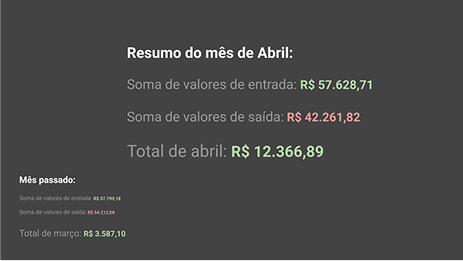
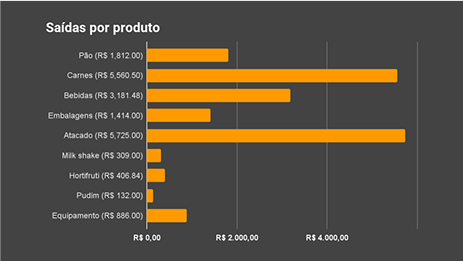
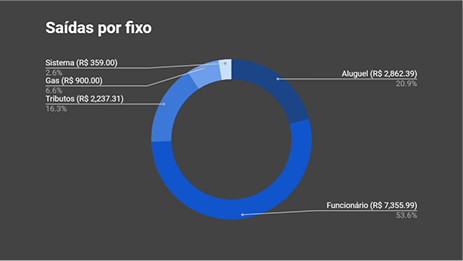
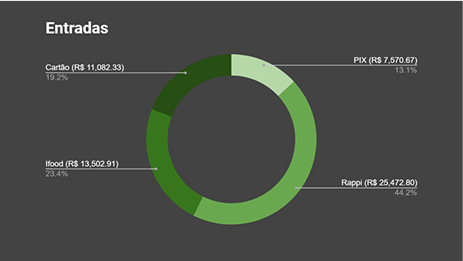
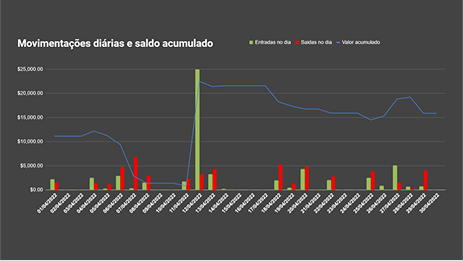
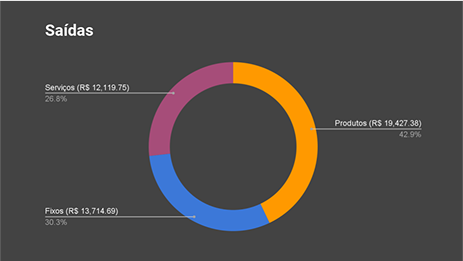
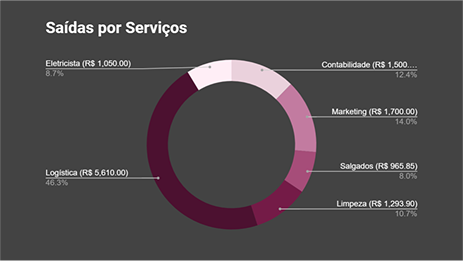
The images below represent the reports generated from the MVP for the clients. The feedback was very positive, and three out of six clients expressed that they would not want the MVP phase to end, as it had positively impacted their businesses. We consider this a great success, as the success metric for the MVP evaluation was for at least one of the six clients to find the services offered by the application essential.

Conclusions
During my journey with the Pixel startup, I was privileged to be involved since its conception, applying a product framework and collaborating with the team to turn ideas into reality. Our vision was to positively impact the lives of micro-entrepreneurs, often constrained by scarce resources, which propelled me to persist in our goal with passion and conviction.
The experience was intense and challenging, requiring us to use various skills and learn quickly while performing multiple tasks. Undoubtedly, it was a formative experience that left a lasting impact on me as a professional. I learned to effectively communicate with multiple stakeholders, present our product with enthusiasm and conviction, and adapt and overcome obstacles to achieve results.
Despite the project’s closure, the lessons learned from Pixel continue to guide me in my journey as a product designer.
Stakeholder communication
Ability to effectively communicate with different parties to align expectations and ensure project success.
Leadership and initiative
I learned how to inspire others towards common goals and proactively drive progress, leading to valuable insights in project management, collaboration, and innovation.
Pixel perfect prototyping
Capacity to create detailed and precise prototypes to visualize and communicate product ideas clearly and concisely.
Managing multiple tasks simultaneously
Skill to balance and prioritize multiple tasks simultaneously to maintain focus and productivity.
Learning about new subjects
Need to constantly learn about a variety of topics to make informed decisions and adapt to changes in the business environment.
Direct customer communication
Ability to communicate directly with customers to understand their needs and present the product convincingly, often guided by frameworks for customer engagement and relationship management.
Project management
Skill to plan, execute, and monitor projects efficiently to achieve goals and deadlines within budget and available resources.
User interviews
Conducting interviews with users to obtain valuable insights into their needs and experiences, allowing for continuous improvement of the product based on customer feedback, often following frameworks for user research and interviewing techniques.
Explore My Work
From ideas to interfaces — here are some of my favorite builds
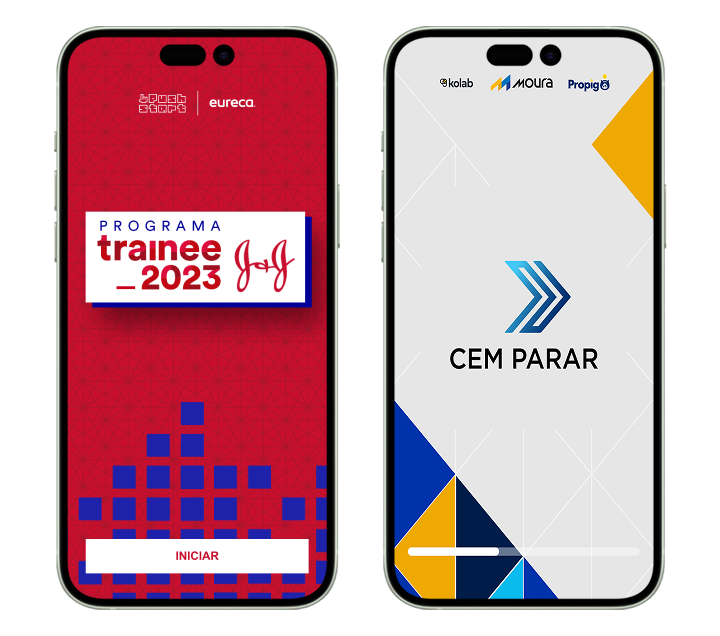
Smart, gamified solutions for Talent Recruitment & Employee Training
Saas Product Design
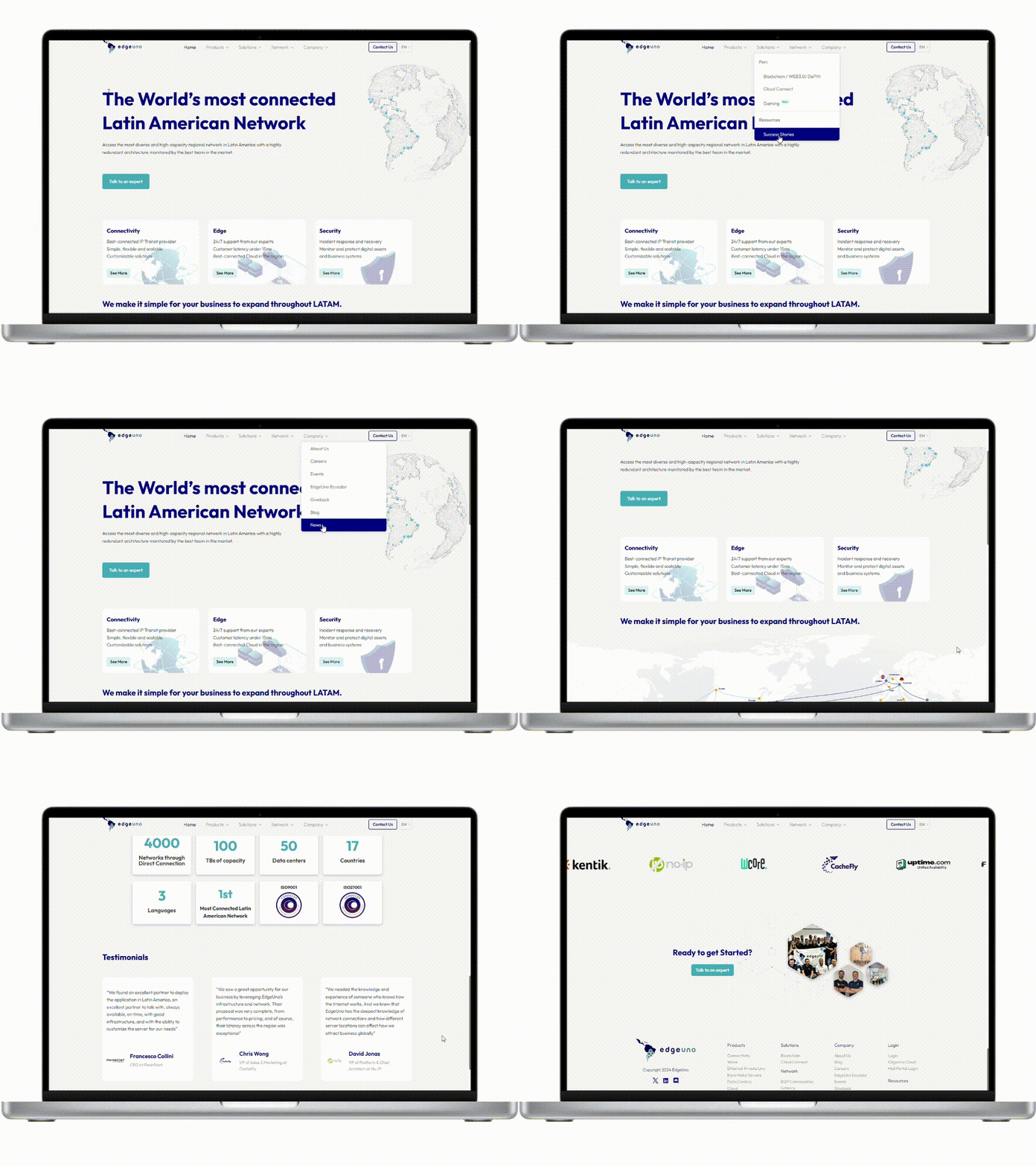
EdgeUno Website & Brand Redesign
Driving Growth Through UX, SEO, and CRO
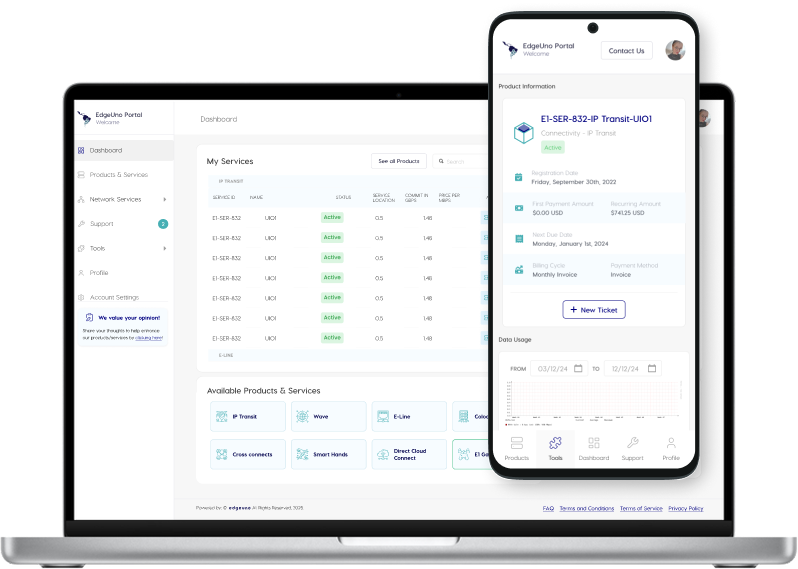
A Scalable Platform for Technical Users
Customer Portal
Ready to take the next step? I’m here to help.
Let’s talk about what we can create together.